Kensington Market Food Guide Toronto: Walking Trail & Eats
Your essential Kensington Market food guide Toronto. Walk, eat, and discover 8 extraordinary restaurants in one afternoon — from Michelin stars to omakase.
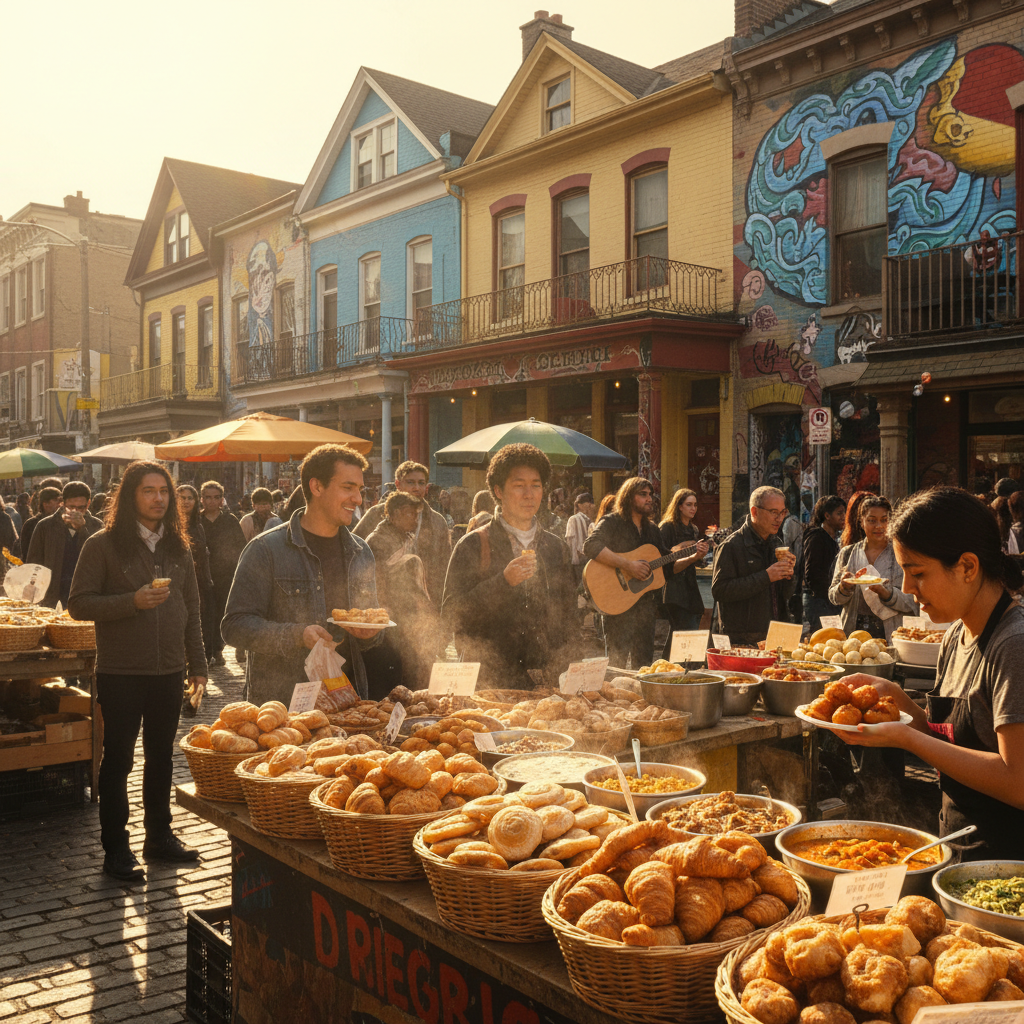
Your Complete Kensington Market Food Guide Toronto
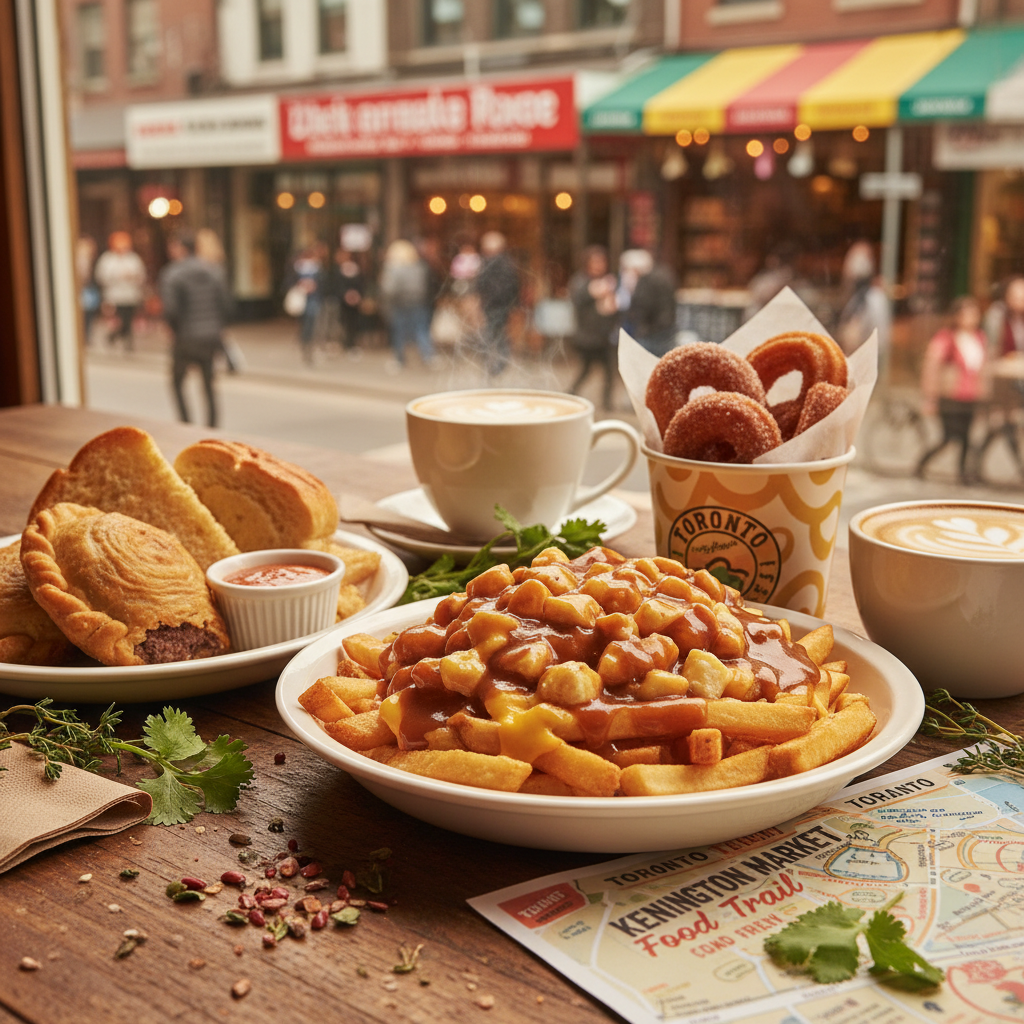
Kensington Market has long been Toronto's bohemian heart, where Victorian houses meet global flavours and Saturday afternoons turn into spontaneous food adventures. This Kensington Market food guide Toronto maps an afternoon eating trail through eight outstanding restaurants — from Michelin-starred tasting menus to high-energy omakase bars — each reflecting the neighbourhood's appetite for authenticity and invention.
Grab comfortable shoes. The best way to experience this pocket of downtown is on foot, moving between addresses, letting each meal settle before the next discovery. These eight stops represent Toronto's dining spectrum, all within reach of the Market's trademark painted porches and weekend crowds.
Alo Restaurant
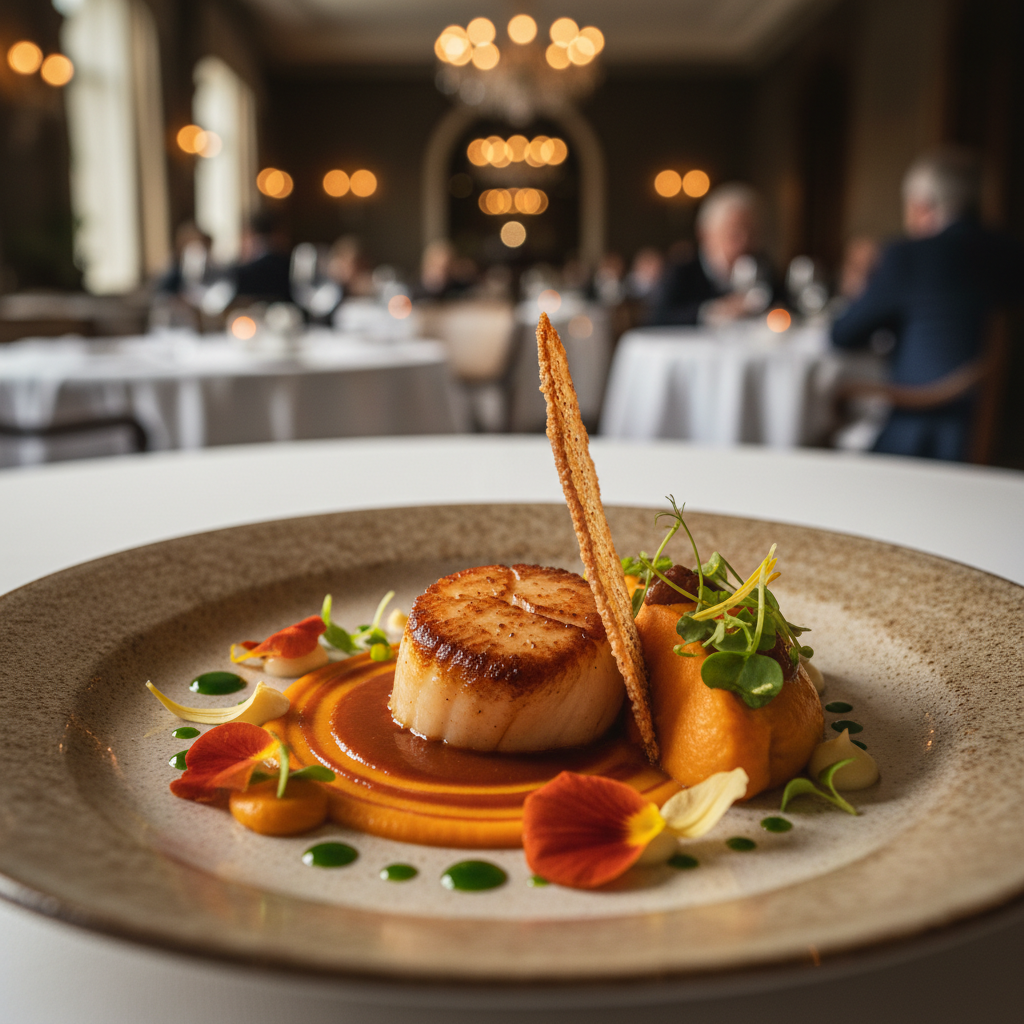
Chef Patrick Kriss built Toronto's most celebrated fine-dining experience on the third floor above Spadina Avenue. Alo holds two Michelin stars and a 4.6 rating across 2,128 reviews — numbers that reflect the precision of its French tasting menu. This is reservations-only dining in an elegant room where each course arrives as a small thesis on seasonal ingredients and classical technique. The multi-course format unfolds over hours, making Alo an anchor stop rather than a quick bite. Start here if your afternoon allows for the full ceremony, or save it for a dedicated evening when the Market's energy has quieted.
Why Alo Anchors This Trail
The restaurant occupies a restored Victorian building, connecting the Market's architectural past to its culinary present. Kriss sources aggressively and changes menus frequently, so what appears on your table reflects the week's best farmers and foragers. Destination Ontario has long recognized Alo as a cornerstone of Toronto's international dining reputation.
Edulis
Michael Caballo and Tobey Nemeth run this Michelin-starred intimate bistro where the menu evolves daily. Edulis earned its 4.6 rating (546 reviews) by treating seasonal ingredients as the main event — not background players. The tasting menu format here feels less formal than Alo, more like dinner in a friend's exceptionally talented kitchen. French and Italian techniques meet spectacular local and imported ingredients: Ontario vegetables, day-boat fish, house-made pastas. The room is small, the vibe warm, and the cooking ambitious without ceremony. This is the stop for diners who want Michelin-level craft in a space that still feels like the Market's living-room scale.
MSSM
The younger sibling of Michelin-starred Sushi Masaki Saito, MSSM flips the script on traditional omakase. Graffiti covers the walls, hip-hop and R&B play over the speakers, and the atmosphere runs high-energy rather than hushed reverence. The sushi itself remains premium edomae-style — pristine fish, precise knife work, aged rice — but the presentation rejects formality. At 4.7 stars across 887 reviews, MSSM has carved space for diners who want world-class nigiri without the white-tablecloth silence. Book the counter if possible. The chefs work fast, talk freely, and the progression of courses feels more like a great DJ set than a ceremony.
Japanese Fusion on Toronto's Terms
MSSM represents how Toronto's dining culture absorbs global traditions and makes them local. The fish quality rivals any serious sushi bar in North America, but the room's energy belongs entirely to this city's mix of cultures and music.
Byblos
Chef Stuart Cameron earned Michelin recognition for this Eastern Mediterranean restaurant that pulls from Turkish, Moroccan, and Lebanese kitchens. The blue-tiled interior gives Byblos its visual signature, but the 4.5 rating (3,649 reviews) comes from dishes like Baked Kibbee, Shrimp Kabob, and the Byblos Sampler. Znoud El-Sit — "Lady's Arms," a crisp phyllo dessert filled with cream — closes meals with the kind of sweetness that North African pastry does best. The menu here rewards sharing. Order the sampler to start, then build outward based on what catches your appetite. Cameron's approach treats Middle Eastern and North African ingredients with the refinement usually reserved for European fine dining, without losing the bold, layered flavours that make this food so crave-worthy.
Nobu Toronto
Chef Nobu Matsuhisa's Japanese-Peruvian fusion has become a global language, and the Toronto outpost at the Shangri-La Hotel delivers signature dishes like black cod miso and yellowtail jalapeño in a sleek, contemporary dining room. The 4.2 rating (851 reviews) reflects high expectations — diners arrive knowing Nobu's reputation and judging each plate against an international standard. The cooking is confident, the fish pristine, and the space polished. This is where the Market trail stretches toward downtown's luxury hotel corridor, showing how Toronto's food culture spans from Victorian walk-ups to glass towers within blocks.
The Nobu Effect on Toronto Dining
When Nobu opened here, it reinforced Toronto's status as a city where global restaurant brands choose to plant flags. The menu balances familiarity — those signature dishes travel to every Nobu — with local ingredients that root the experience in Ontario's waters and farms.
Pai Northern Thai Kitchen
Just steps toward the Entertainment District, Pai built its 4.6 rating (4,200 reviews) on Northern Thai cooking that refuses to soften edges for timid palates. The khao soi — a curry noodle soup with crispy egg noodles, pickled mustard greens, and your choice of protein — has become the dish Toronto diners measure all others against. The atmosphere runs upscale-casual: loud, packed, and worth the inevitable wait. Pai shows how Toronto's appetite for authentic regional cooking has matured beyond fusion experiments into deep, specific traditions. Order the khao soi. Add som tum if you want heat. Finish with mango sticky rice if the kitchen hasn't sold out.
Canoe Restaurant & Bar
Atop the TD Tower, Canoe reimagines Canadian cuisine with seasonal, locally sourced ingredients and panoramic city views that turn meals into geography lessons. The 4.5 rating (2,800 reviews) reflects decades of consistent execution — this is not a newcomer riding hype but an established fine-dining destination that has evolved with Toronto's tastes. The menu celebrates Ontario and Canadian ingredients: Great Lakes fish, Quebec foie gras, Prairie grains, Maritime seafood. From this height, the Market is a patch of colour blocks below, a reminder that Toronto's food culture operates at every altitude and budget.
Closing the Loop: What This Trail Reveals
These eight restaurants — from Alo's Michelin-starred French precision to MSSM's graffiti-walled omakase, from Byblos's Eastern Mediterranean refinement to Pai's Northern Thai authenticity — form a snapshot of Toronto's dining landscape. BlogTO and other local food media have tracked how the city's restaurant scene has shifted from chasing trends to building depth, and this trail demonstrates that evolution. The Market and its surrounding blocks remain the testing ground where global techniques, immigrant traditions, and Canadian ingredients collide.
Ready to explore more Toronto dining trails? Visit Cups & Bites for neighbourhood guides, chef interviews, and the latest restaurant openings across Ontario.
Frequently Asked Questions
What's the best time to walk this Kensington Market food trail?
Start mid-afternoon on a weekday to avoid weekend Market crowds. Book reservations at Alo, Edulis, and MSSM well in advance — these spots fill weeks ahead. Pai accepts walk-ins but expect waits during peak hours. The trail works best when you pace yourself: treat it as a progressive tasting over 4-6 hours rather than rushing through all eight in one sitting.
Do I need reservations for all eight restaurants?
Alo, Edulis, and MSSM require advance reservations — often 2-4 weeks ahead for prime times. Byblos and Nobu accept reservations and recommend them for weekends. Pai operates first-come, first-served with inevitable waits. Canoe takes reservations and is your safest bet for same-day booking among the fine-dining options.
Are these restaurants actually in Kensington Market?
Several are within immediate walking distance of the Market's core; others sit in neighbouring downtown pockets like the Entertainment District and Financial District. The trail uses Kensington Market as the cultural anchor, then radiates outward to show Toronto's broader dining ecosystem — all accessible on foot within 20-30 minutes.
What should I budget for this food trail?
Expect wide variation. Alo's tasting menu runs several hundred dollars per person. MSSM and Edulis land in the $150-250 range. Pai offers the most accessible pricing at $20-40 per person. Byblos, Nobu, and Canoe fall between $60-120 per person depending on what you order. A full eight-stop progressive meal could range from $400 to over $1,000 per person with wine pairings.
More independent spots in Toronto
- Ethio Kana
- Rumble Pontiac
- Club Kingsong
- Kensington Jerk & Pasta
- Moments
- COAL AND CURRY
- Street Grill Bar
- The Spicy Ethiopian
Browse all restaurants in Toronto
Frequently asked questions
What's the best time to walk this Kensington Market food trail?
Start mid-afternoon on a weekday to avoid weekend Market crowds. Book reservations at Alo, Edulis, and MSSM well in advance — these spots fill weeks ahead. Pai accepts walk-ins but expect waits during peak hours. The trail works best when you pace yourself: treat it as a progressive tasting over 4-6 hours rather than rushing through all eight in one sitting.
Do I need reservations for all eight restaurants?
Alo, Edulis, and MSSM require advance reservations — often 2-4 weeks ahead for prime times. Byblos and Nobu accept reservations and recommend them for weekends. Pai operates first-come, first-served with inevitable waits. Canoe takes reservations and is your safest bet for same-day booking among the fine-dining options.
Are these restaurants actually in Kensington Market?
Several are within immediate walking distance of the Market's core; others sit in neighbouring downtown pockets like the Entertainment District and Financial District. The trail uses Kensington Market as the cultural anchor, then radiates outward to show Toronto's broader dining ecosystem — all accessible on foot within 20-30 minutes.
What should I budget for this food trail?
Expect wide variation. Alo's tasting menu runs several hundred dollars per person. MSSM and Edulis land in the $150-250 range. Pai offers the most accessible pricing at $20-40 per person. Byblos, Nobu, and Canoe fall between $60-120 per person depending on what you order. A full eight-stop progressive meal could range from $400 to over $1,000 per person with wine pairings.