Toronto Chinatown Food Guide: Your Essential Trail Map
Navigate Toronto's Chinatown like a local: dim sum on Spadina, hand-pulled noodles, bubble tea haunts, and late-night BBQ. Your complete food trail.
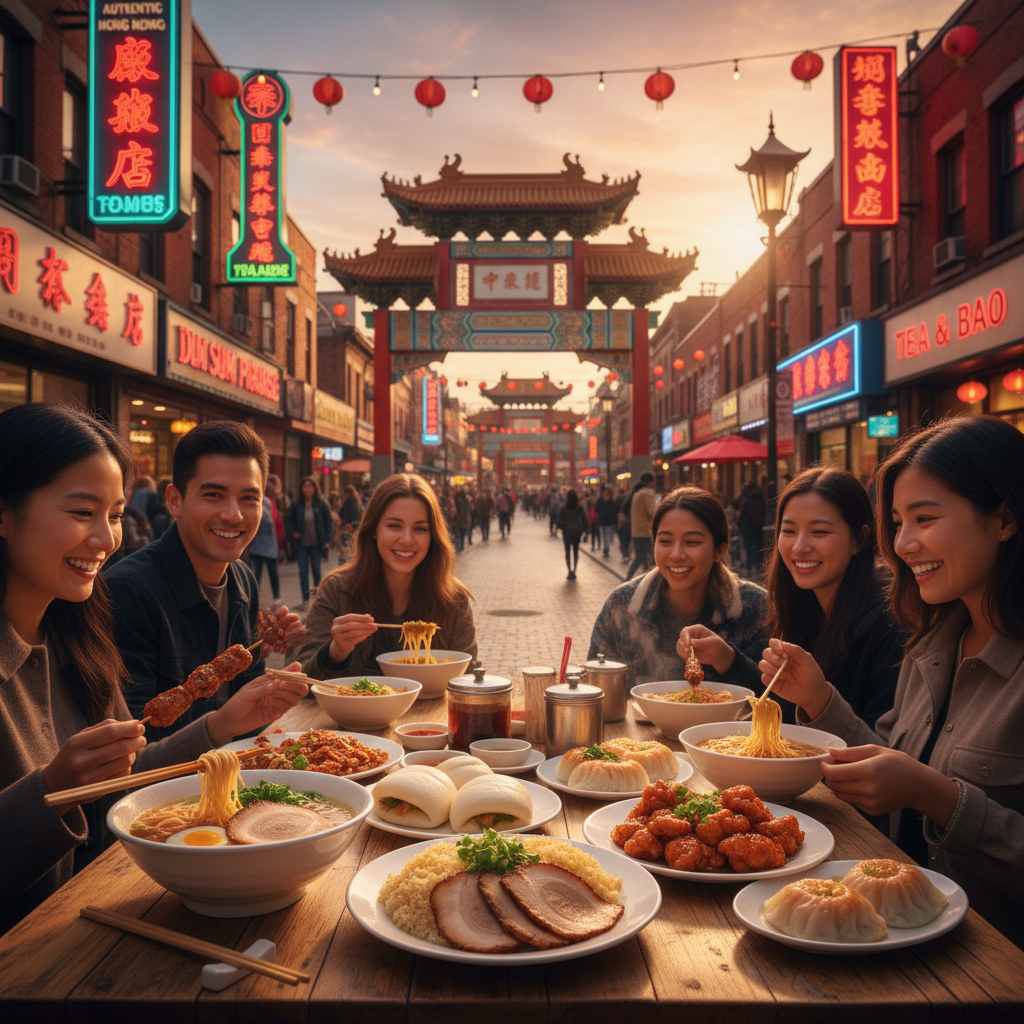
Toronto's Chinatown runs along Spadina Avenue between Dundas Street West and College Street, where you'll find dim sum carts rolling before noon, hand-pulled noodle shops steaming windows by 6 PM, and soy-glazed BBQ meats hanging in windows until past midnight. This guide walks you through a full eating day in one of North America's largest and oldest Chinatowns, covering the essential stops, real street corners, and dishes worth the inevitable lineup.
This isn't a neighbourhood frozen in time — it's a working commercial strip where third-generation bakeries share blocks with Sichuan newcomers, where University of Toronto students line up beside Kensington Market vendors on lunch break. The focus keyword here is utility: we're mapping the trail, naming the intersections, and pointing you toward the plates that locals return to weekly.
Start Your Morning with Dim Sum on Lower Spadina
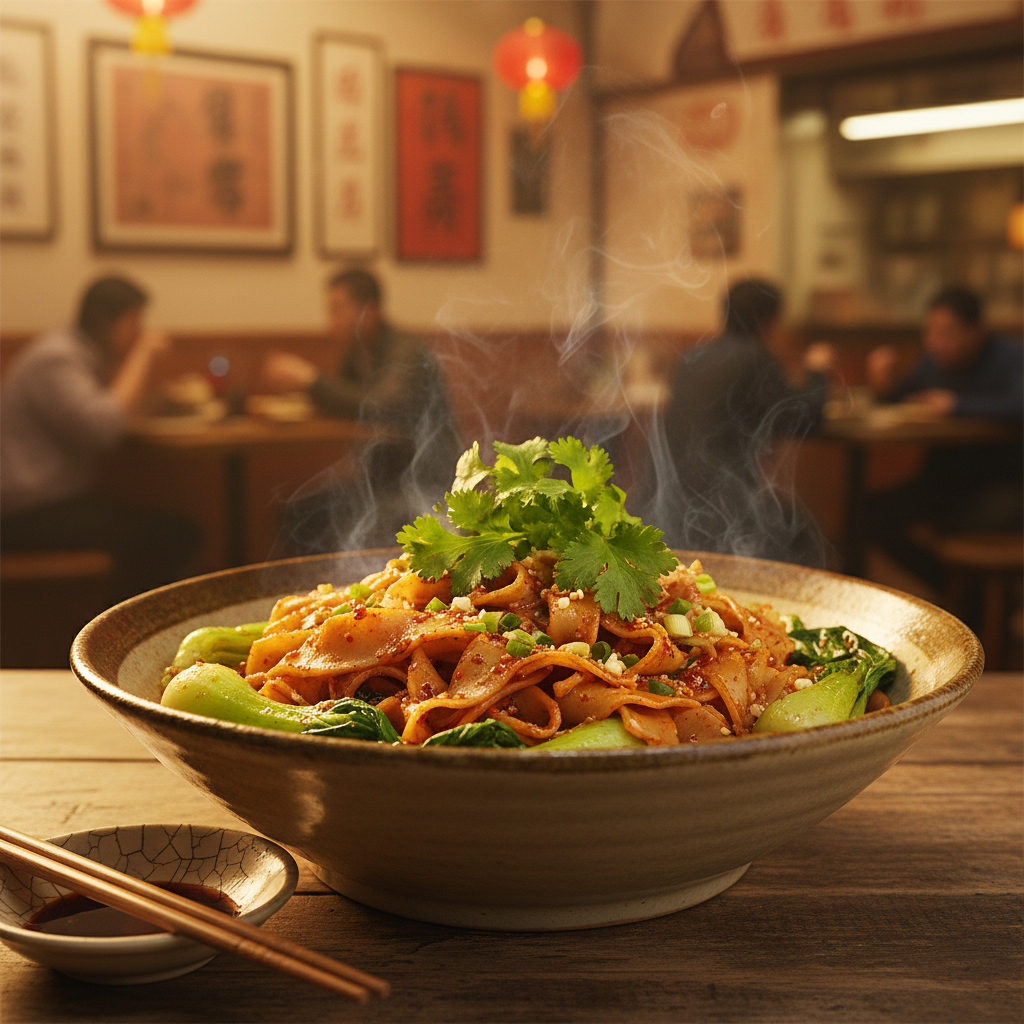
Dim sum service runs daily from around 10 AM to 3 PM, with peak cart action between 11 AM and 1 PM. The densest cluster sits between Spadina and Dundas West, spilling south toward Sullivan Street. You're looking for multi-storey dining rooms with lazy Susans, aluminum carts, and laminated picture menus in Cantonese and English.
Order har gow (shrimp dumplings), siu mai (pork and shrimp dumplings), char siu bao (BBQ pork buns), and lo mai gai (sticky rice in lotus leaf). If the cart offers chicken feet, phoenix claws braised in black bean sauce, take them — they're a textural masterclass. Custard tarts and egg tarts appear on dessert carts toward the end of service. Expect to spend $25–$35 per person for a full spread, and go with at least three people so you can sample broadly without over-ordering.
The rhythm here is communal: you point, the server stamps your card, and you keep ordering until you're full. It's the same system that's anchored weekend mornings in this neighbourhood for five decades, and it's one of the experiences that OpenTable's Toronto roundups consistently highlight when steering visitors toward authentic Cantonese traditions.
Hand-Pulled Noodles and Northern Chinese Lunch Spots
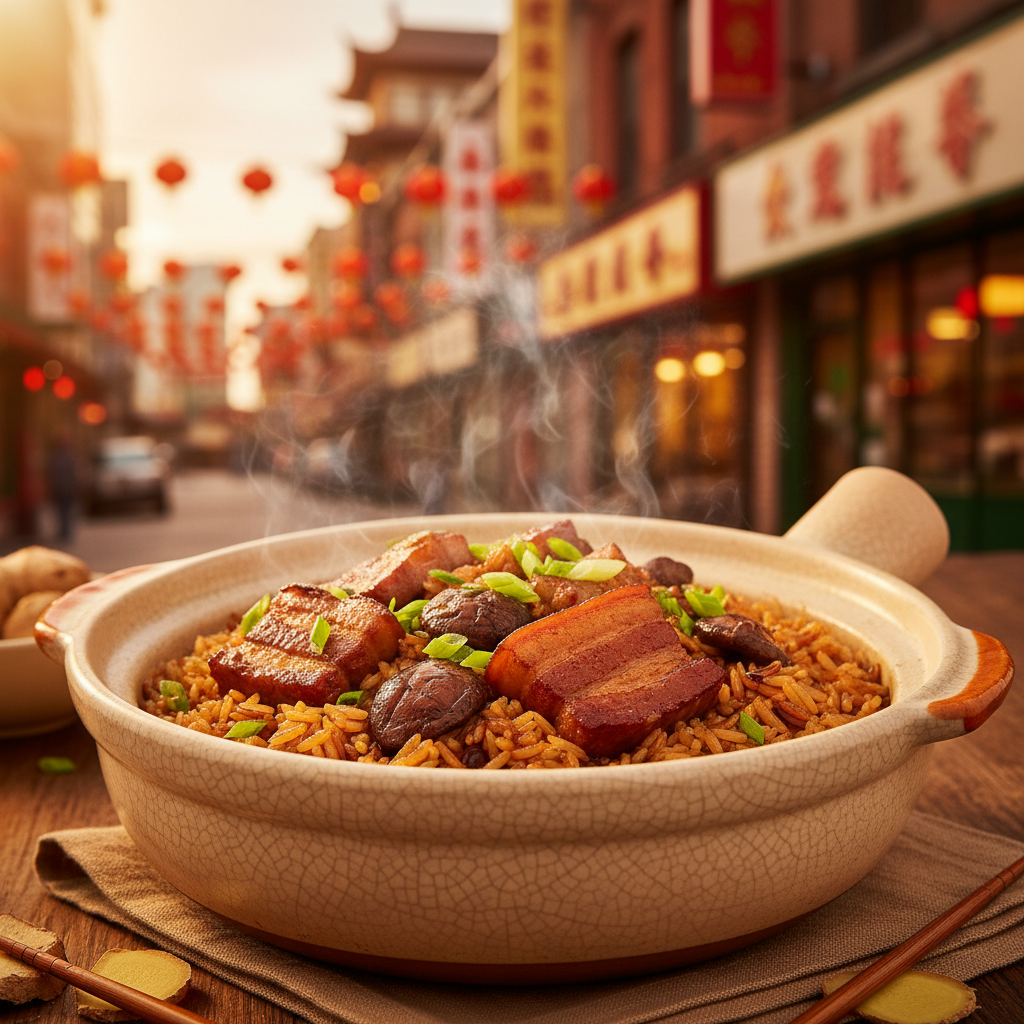
By early afternoon, shift north on Spadina toward the stretch between Baldwin Street and College Street. This is where Shaanxi, Lanzhou, and Sichuan kitchens dominate, many opened within the last decade by newcomers from China's northwest and interior provinces. You'll recognize them by the hand-pulled noodle (la mian) demonstrations visible through storefronts — dough stretched, slapped, and twirled into thick or thin strands on demand.
Order biang biang noodles (wide, belt-like noodles with chili oil, garlic, and greens), Lanzhou beef noodle soup (clear broth, hand-pulled noodles, tender beef slices), or dan dan noodles (Sichuan sesame-chili sauce with minced pork). Pair with cumin lamb skewers, smashed cucumber salad, or pork dumplings in chili oil. Portions are generous; one noodle bowl and one appetizer will easily feed one hungry person for $15–$20.
These kitchens reflect a demographic shift: Toronto's Chinese community today includes significant populations from Sichuan, Shaanxi, and northeastern provinces, not just Cantonese-speaking Guangdong. The result is a Chinatown that eats regionally — you can taste the difference between Chongqing's numbing mala and Shaanxi's cumin-forward spice blends within a two-block walk.
Afternoon Bubble Tea and Bakery Crawl
Between 2 PM and 5 PM, Chinatown shifts into snack mode. Bubble tea shops anchor nearly every block of Spadina between Dundas and College, many operating since the late 1990s when Taiwan-style tea drinks first took root in Toronto. Order classic milk tea with tapioca pearls, taro slush, or brown sugar fresh milk with boba. Most shops offer customizable sweetness and ice levels — locals often go 50% sweet, regular ice.
Pair your tea with a stop at one of the Hong Kong-style bakeries clustered near the Spadina-Dundas intersection. Look for pineapple buns (bo lo bao), egg tarts with flaky pastry, wife cakes (sweetegg-and-almond filling), cocktail buns (shredded coconut and sugar), and winter melon cakes. These bakeries also sell whole BBQ ducks, roast pork, and soy sauce chicken by the pound — useful if you're planning to grab takeout for dinner later.
Kensington Market sits immediately west of Spadina, and many visitors combine a Chinatown food trail with a side loop through Kensington's vintage shops, cheese counters, and Latin American bakeries. The two neighbourhoods bleed into each other around Dundas and Augusta Avenue, making it easy to extend your walk.
Late-Night BBQ Meats and Congee Until Past Midnight
After 9 PM, Chinatown's restaurant windows glow with hanging meats: whole roast ducks, soy sauce chickens, honey-glazed char siu (BBQ pork), and crispy pork belly. These BBQ counters operate as fast-casual takeout spots or small dining rooms where you order by pointing at the window display. A typical order: half a roast duck, a pound of char siu, and steamed rice for two, around $30–$35 total.
For sit-down late-night eating, congee (jook) specialists stay open until midnight or later, especially on weekends. Order century egg and pork congee, seafood congee with fish slices and shrimp, or sampan congee (a mix of pork, liver, squid, and jellyfish). Pair with fried dough sticks (youtiao) for dipping, and a side of stir-fried greens like gai lan with oyster sauce. Congee is comfort food that locals return to after long shifts, late concerts at the nearby Mod Club or Phoenix Concert Theatre, or simply because it's warm, cheap ($8–$12 per bowl), and deeply satisfying.
This stretch of Spadina, especially near the Art Gallery of Ontario and the south end of the University of Toronto's St. George campus, becomes a late-night anchor for students, service workers, and night-shift drivers. It's one of the few Toronto neighbourhoods where you can eat a proper hot meal after midnight without resorting to fast food chains.
Why Chinatown Matters to Toronto's Food Identity
Toronto's Chinatown is one of the city's oldest continuously operating ethnic commercial districts, established in the late 19th century and relocated to Spadina in the 1950s and 60s after earlier iterations near downtown were displaced by development. Today it anchors not just Cantonese foodways but a broader spectrum of regional Chinese cuisines — Sichuan, Hunanese, Taiwanese, Shanghainese — alongside Vietnamese pho shops, Thai grills, and Malaysian laksa counters that reflect the area's ongoing evolution.
The neighbourhood also functions as an economic engine for new arrivals: many restaurant owners here are first-generation immigrants who opened kitchens as a foothold, training family members and employing recent arrivals in an industry with lower language barriers. The Spadina Avenue Chinatown BIA actively promotes the area as a cultural and culinary destination, often cited by Destination Ontario and BlogTO when mapping Toronto's essential food neighbourhoods.
Eating here supports not just individual businesses but a broader ecosystem — the produce vendors on Dundas West who supply restaurant kitchens, the herbalists and tea importers who've operated for decades, the dim sum suppliers who deliver fresh har gow skins each morning. It's a neighbourhood where the back-of-house and front-of-house economies are deeply intertwined, and where food remains the primary draw for tens of thousands of weekly visitors.
Frequently Asked Questions
What's the best time to visit Toronto Chinatown for food?
Weekends between 11 AM and 2 PM are peak dim sum hours; weekday lunches (noon–2 PM) are less crowded. Late-night eaters should aim for after 9 PM when BBQ counters are fully stocked and congee spots hit their stride.
Is Toronto Chinatown walkable, or do I need transit?
The entire food trail from Dundas West to College Street is a 15-minute walk, easily done on foot. The 510 Spadina streetcar runs the full length if you prefer transit, and there's metered street parking and Green P lots near Dundas and Baldwin.
Can I find vegetarian or gluten-free options in Chinatown?
Yes — many noodle shops offer vegetable-based broths and tofu dishes, and Buddhist vegetarian restaurants near Dundas serve mock meats and vegetable dumplings. Gluten-free is harder but possible; rice noodle dishes (pho, rice rolls) and congee are naturally gluten-free.
What should I budget for a full Chinatown food trail?
Expect $60–$80 per person for a full day: $30–$35 for dim sum, $15–$20 for lunch noodles, $8–$12 for bubble tea and bakery snacks, and $15–$20 for late-night BBQ or congee. Cash is king at many smaller spots, though most now accept cards.
Ready to explore more of Ontario's best local eats? Search Cups & Bites for neighbourhood guides, seasonal menus, and the spots locals actually recommend.
More independent spots in Toronto
- Ethio Kana
- Rumble Pontiac
- Club Kingsong
- Kensington Jerk & Pasta
- Moments
- COAL AND CURRY
- Street Grill Bar
- The Spicy Ethiopian
Browse all restaurants in Toronto
Frequently asked questions
What's the best time to visit Toronto Chinatown for food?
Weekends between 11 AM and 2 PM are peak dim sum hours; weekday lunches (noon–2 PM) are less crowded. Late-night eaters should aim for after 9 PM when BBQ counters are fully stocked and congee spots hit their stride.
Is Toronto Chinatown walkable, or do I need transit?
The entire food trail from Dundas West to College Street is a 15-minute walk, easily done on foot. The 510 Spadina streetcar runs the full length if you prefer transit, and there's metered street parking and Green P lots near Dundas and Baldwin.
Can I find vegetarian or gluten-free options in Chinatown?
Yes — many noodle shops offer vegetable-based broths and tofu dishes, and Buddhist vegetarian restaurants near Dundas serve mock meats and vegetable dumplings. Gluten-free is harder but possible; rice noodle dishes (pho, rice rolls) and congee are naturally gluten-free.
What should I budget for a full Chinatown food trail?
Expect $60–$80 per person for a full day: $30–$35 for dim sum, $15–$20 for lunch noodles, $8–$12 for bubble tea and bakery snacks, and $15–$20 for late-night BBQ or congee. Cash is king at many smaller spots, though most now accept cards.